There are phases in life when things feel unusually heavy. Small problems seem to repeat, motivation drops, and it may feel as though nothing is moving forward smoothly. Across cultures, many people turn to small personal rituals during such times, not as a guarantee of change, but as a way to reset emotionally and mentally.
This article shares one such belief-based intention ritual that some individuals follow when they feel stuck or overwhelmed. It is rooted in symbolism and personal intention rather than certainty or prediction.
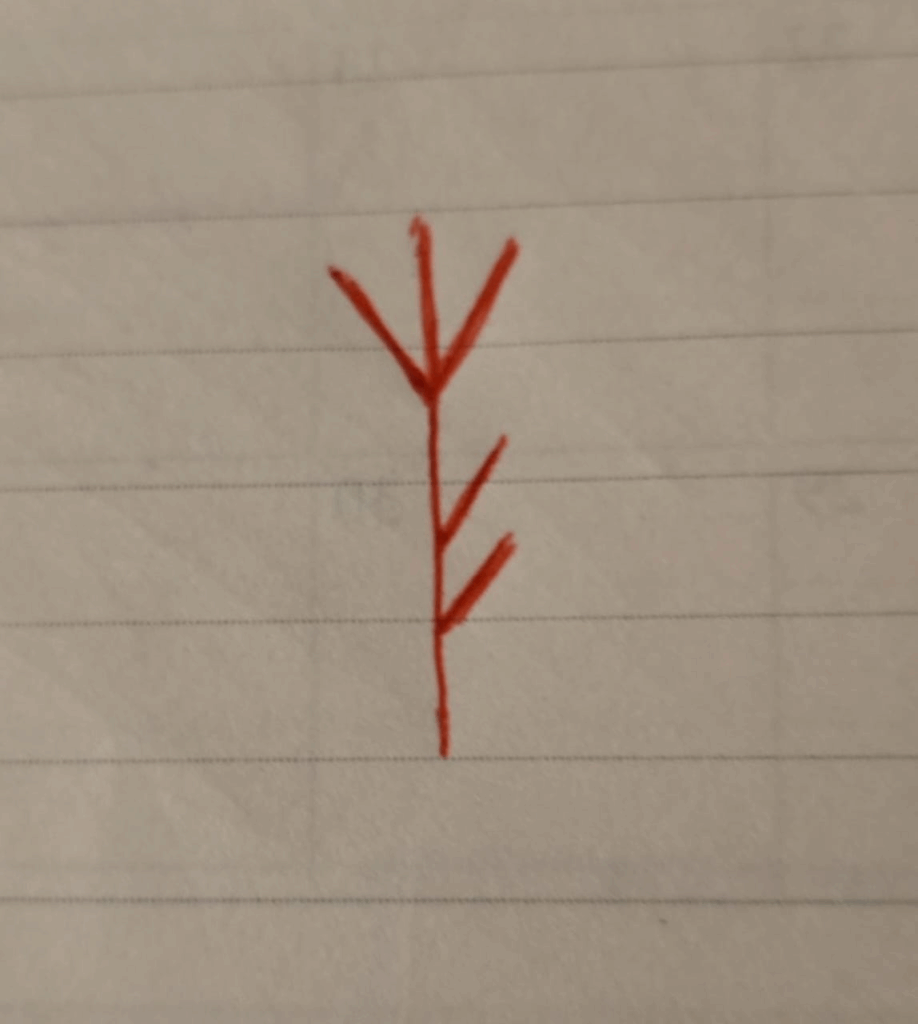
Understanding belief-based intention rituals
Belief-based rituals are personal practices. They are not meant to control fate or promise results. Instead, they help some people slow down, focus their thoughts, and consciously release what they feel is holding them back.
The act of writing, drawing symbols, and completing a simple process can create a sense of closure. For many, this brings emotional relief and clarity, even if circumstances do not change immediately.
The role of symbols and intention
Symbols have long been used in personal and spiritual practices as visual tools to focus the mind. When combined with intention, they act as anchors for thought rather than sources of power themselves.
In this ritual, the symbol is used purely as a focus point while setting an intention to let go of negativity or mental blocks.
How this ritual is traditionally performed
People who follow this practice describe it as a simple, quiet process that can be done at any time.
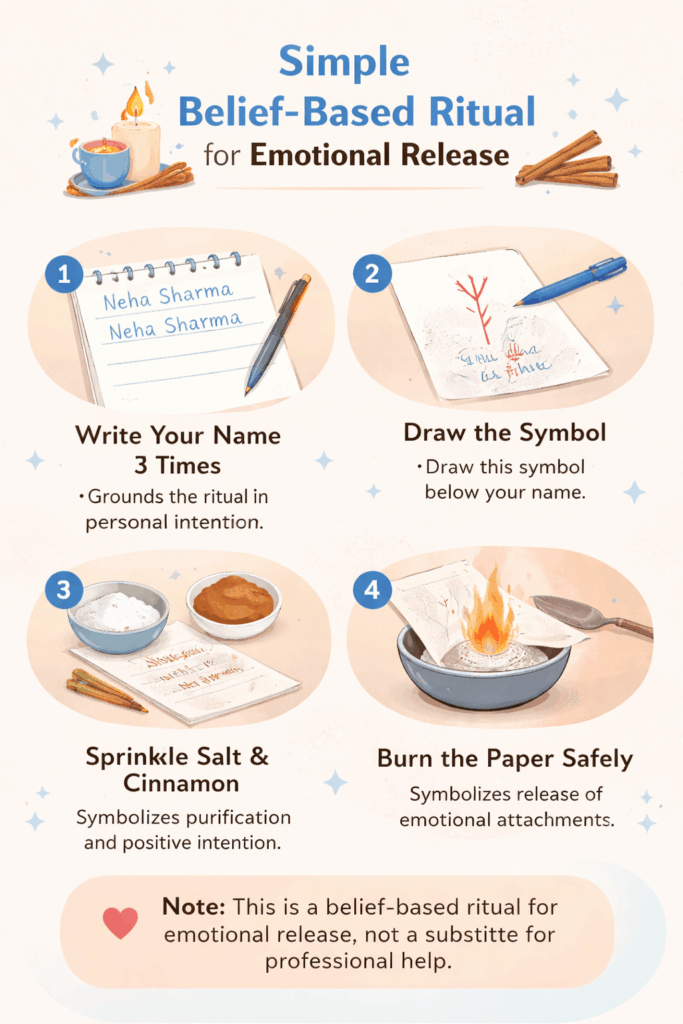
A plain piece of paper is taken, and the person writes their name three times. Writing one’s own name is seen as grounding the ritual in personal awareness.
Below or beside the name, the symbol shown is drawn using blue or black ink, colours often associated with calmness and focus in many belief systems.
A small pinch of salt is sprinkled on the paper, which symbolically represents grounding and cleansing. After this, a small amount of cinnamon powder is added. In several traditions, cinnamon is associated with warmth and positive intention.
The paper is then folded towards oneself, symbolising the act of drawing clarity or balance inward.
Finally, the paper is burned carefully in a safe space, and the ashes are allowed to disperse naturally. This step symbolises release and letting go rather than destruction.
Why some people find meaning in this practice
Rituals like this work primarily at an emotional level. The slow, deliberate steps encourage focus and mindfulness. For some, the process marks a psychological turning point, helping them move forward with a calmer mindset.
The sense of relief comes from the act of intention and release, not from the materials themselves.
Important safety and responsibility note
If anyone chooses to follow this ritual, it should always be done responsibly.
Paper should be burned only in a safe, controlled environment, away from flammable objects. Proper ventilation is essential, and the ritual should never be performed around children or pets.
A reminder about personal belief practices
This ritual is a personal belief-based practice. It is not a substitute for practical decision-making, professional advice, or medical, financial, or emotional support when required.
Many people use such practices simply as a way to pause, reflect, and reset mentally.
Final thoughts
Feeling stuck or unlucky is often a sign of emotional overload rather than destiny. Belief-based rituals like this one can help some individuals regain a sense of calm and clarity. Whether or not one believes in the symbolism, the act of slowing down and consciously letting go can itself feel empowering.
What matters most is intention, awareness, and taking thoughtful steps forward.